
Move-In Appliance Inspection Checklist: What Vancouver Homeowners Should Test Before Unpacking
Thinking about skipping that detailed appliance check before settling into your new Vancouver home? Hold up: those seemingly functional appliances could be hiding costly surprises that only show up after you’ve already unpacked your life.Moving into a new home is exciting enough without discovering your brand-new dishwasher doesn’t actually clean dishes or your dryer takes three hours to dry a single load. I remember helping my friend Sarah move into her dream condo in Yaletown, only to discover three days later that the gorgeous stainless steel refrigerator had been slowly leaking water behind the kitchen island for months. What started as move-in bliss quickly turned into expensive floor repairs and a massive insurance headache that could have been completely avoided with proper pre-move testing. If your dishwasher is already showing symptoms, book dishwasher repair in Surrey with our team.

Here’s the thing about Vancouver’s housing market: whether you’re buying or renting, appliances often come with the territory, and standard home inspections frequently gloss over detailed appliance functionality. While your home inspector might note that appliances are “present and appear functional,” they’re typically not testing every cycle, checking temperature accuracy, or identifying those subtle warning signs that spell trouble down the road. Vancouver’s coastal climate adds another layer of complexity, with our notorious humidity creating perfect conditions for hidden moisture damage and accelerated wear issues that don’t show up in basic visual inspections. If something has already failed, our appliance repair services can help.The truth is, most people assume included appliances work perfectly because they look good and turn on when tested briefly during viewings. But appliances are complex machines with multiple systems that can fail independently, and some issues only become apparent during extended use or under specific conditions. Taking the time to thoroughly test every appliance before you commit to living with potential problems isn’t being paranoid: it’s being smart about protecting your investment and avoiding the kind of unexpected expenses that can derail your moving budget.
Key Outtakes:
- Standard home inspections often miss appliance functionality issues that could cost thousands in repairs after moving in
- Testing every appliance cycle and function before unpacking protects your investment and prevents move-in day surprises
- Vancouver’s humid coastal climate requires special attention to dryer vent maintenance and appliance moisture damage prevention
- Professional appliance testing during inspection can reveal safety hazards like electrical issues and fire risks
- Proper documentation and warranty verification during move-in creates legal protection for both buyers and renters
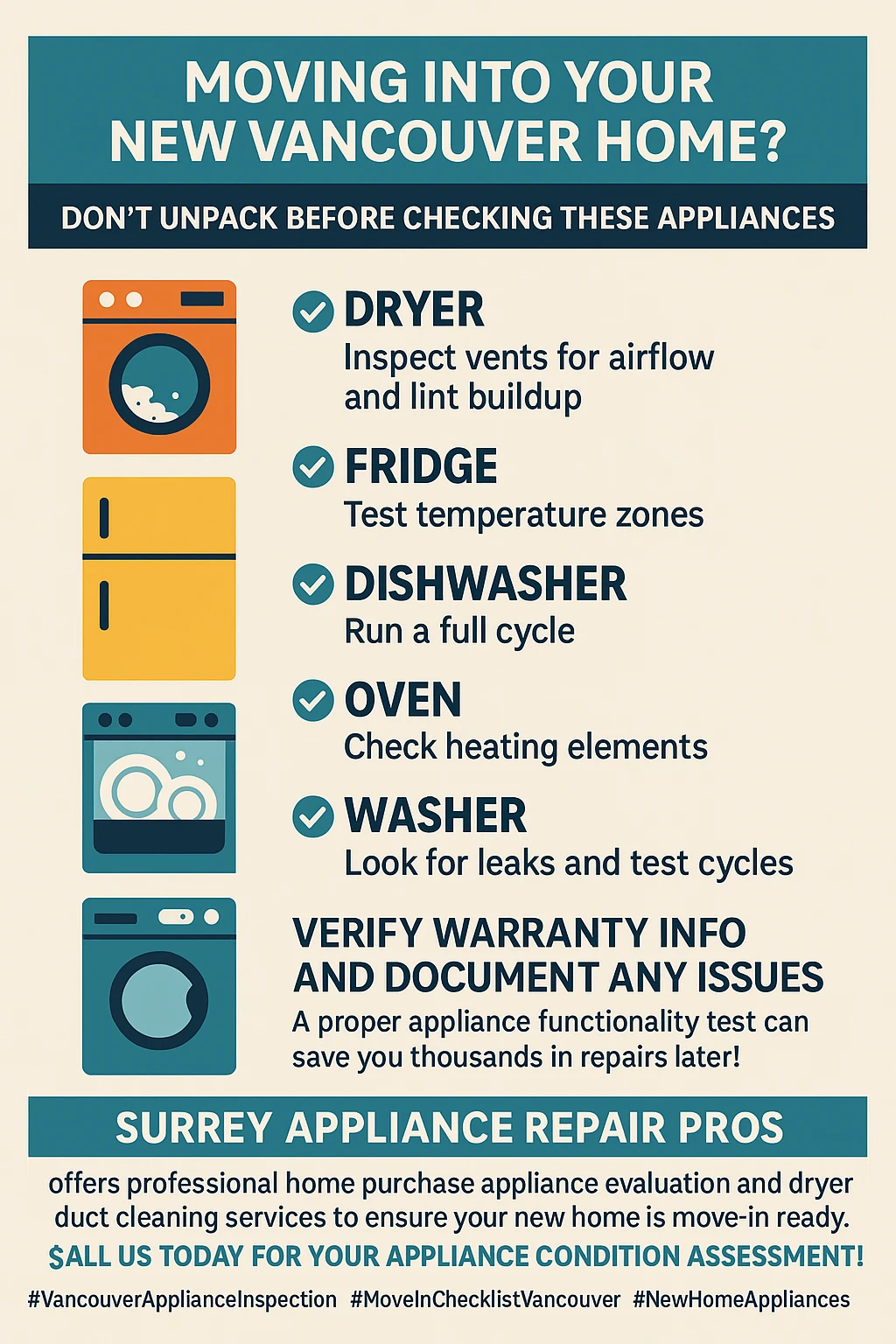
Understanding Vancouver’s Unique Appliance Challenges
Before diving into specific testing protocols, it’s crucial to understand why Vancouver homes require extra attention when it comes to appliance inspection. Our coastal location creates a perfect storm of conditions that can accelerate appliance wear and create problems you won’t find in drier climates or inland cities. The combination of salt air, high humidity levels, and temperature fluctuations puts additional stress on appliance components, particularly metal parts prone to corrosion and electrical connections that can degrade faster in moisture-rich environments. Our guide to appliance insurance claims explains what to document.

Vancouver’s housing density also creates unique considerations for appliance performance and safety. Many homes feature appliances in compact spaces with limited ventilation, making proper airflow and moisture management even more critical. Condo buildings and older homes often have shared ventilation systems or outdated electrical infrastructure that can affect appliance performance in ways that aren’t immediately obvious during a quick viewing. Understanding these environmental factors helps explain why thorough pre-move appliance testing isn’t just recommended: it’s essential for protecting your investment and ensuring your family’s safety.The city’s competitive rental and housing markets add another layer of complexity to appliance inspection. With properties moving quickly and limited time for detailed inspections, many buyers and renters feel pressured to skip thorough appliance testing. However, this rush to secure housing can lead to expensive surprises that far exceed the time and cost of proper pre-move inspection. Vancouver’s legal framework also creates specific responsibilities around appliance maintenance and replacement that vary depending on whether you’re buying or renting, making it crucial to understand exactly what you’re getting into before signing on the dotted line.Climate-related appliance issues in Vancouver often develop gradually and may not be apparent during brief testing periods. Moisture problems that eventually lead to mold, rust, or electrical issues might show no immediate symptoms but can cause significant damage over time. Similarly, efficiency problems caused by salt air corrosion or humidity-related wear might only become apparent when you receive your first utility bill or notice appliances struggling to maintain proper performance. This is why comprehensive testing that goes beyond basic functionality checks is so important for Vancouver homeowners.The good news is that understanding these regional challenges allows you to focus your inspection efforts on the most vulnerable areas and systems. By prioritizing moisture-related issues, electrical connections, ventilation systems, and efficiency metrics during your appliance inspection, you can identify potential problems before they become expensive headaches. This targeted approach ensures you’re not just checking that appliances turn on and off, but actually verifying they can perform reliably in Vancouver’s specific environmental conditions.
Essential Kitchen Appliance Testing Protocol
Moving from understanding Vancouver’s unique challenges to practical testing protocols, your kitchen appliances deserve first priority in any comprehensive inspection checklist. These hardworking machines see daily use and represent significant replacement costs if they fail prematurely. The key to effective kitchen appliance testing lies in going far beyond the basic “does it turn on” approach that many people rely on during home viewings.Start your refrigerator assessment by checking temperature consistency across all zones, including the main compartment, crisper drawers, and freezer section. Use a reliable thermometer to verify that the refrigerator maintains 37-40°F and the freezer stays at 0°F or below. Temperature inconsistencies often indicate failing thermostats, damaged door seals, or compressor issues that aren’t immediately obvious but will lead to food spoilage and higher energy bills. Pay special attention to the door seals by performing the dollar bill test: close a dollar bill in the door and try to pull it out. If it slides out easily, the seals need replacement.Don’t overlook the refrigerator’s mechanical components during your inspection. Refrigerators that are overworked and close to breaking down will have very hot coils, so check the condenser coils for excessive heat, dust buildup, or signs of damage. Listen for unusual noises like grinding, clicking, or excessive humming that could indicate motor problems. Also verify that the ice maker and water dispenser function properly if equipped, as these features involve complex plumbing that can develop leaks or clogs over time.Your range and oven testing should be methodical and comprehensive, covering every burner, oven function, and safety feature. Test each stovetop burner at multiple heat settings, watching for uneven heating patterns, delayed ignition, or flames that appear yellow or orange instead of blue on gas units. For electric ranges, ensure heating elements get uniformly red and maintain consistent temperatures. Test the temperature of the oven by hanging an oven thermometer within the oven and allowing it to heat, checking the temperature inside matches the temperature displayed on the control panel.
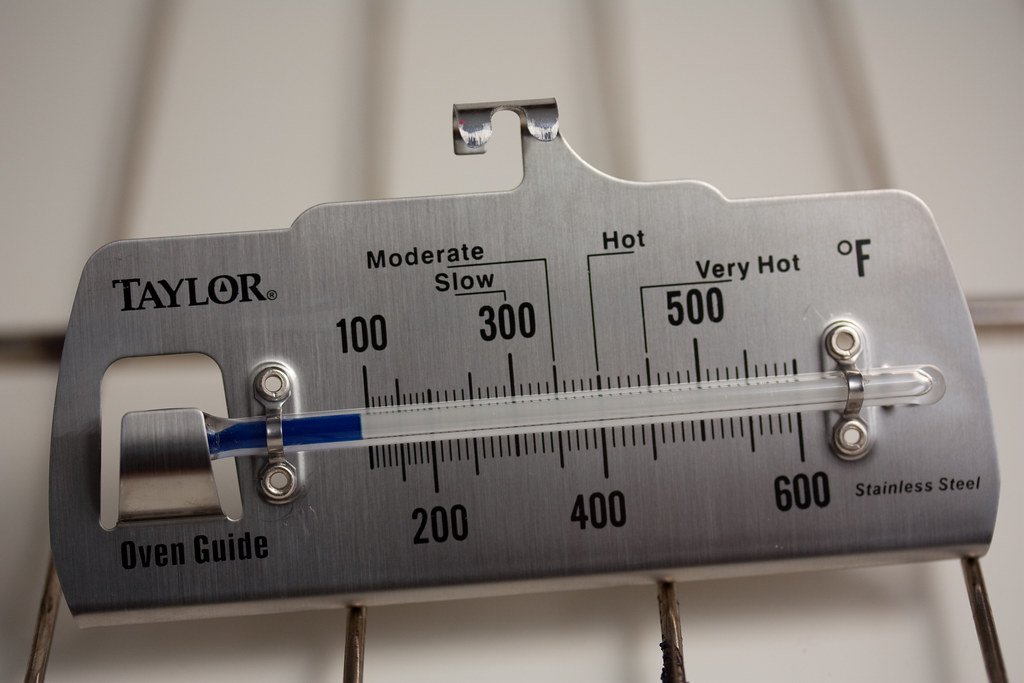
Oven functionality testing should include both baking and broiling functions, along with any specialty features like convection or self-cleaning cycles. Check that oven doors seal properly and that interior lights work correctly. Don’t forget to test important safety features like automatic shut-offs and ensure that all control knobs and digital displays function properly. For gas ranges, verify that safety features like flame failure devices work correctly: the gas should shut off automatically if flames are extinguished accidentally.Dishwasher testing requires running a complete wash cycle to identify potential problems that won’t show up during brief demonstrations. We run the dishwasher through a full cycle, making sure the fill and drain stages work properly, and that there’s no leakage from the unit. Load the dishwasher with actual dishes if possible, or at least some dishwasher-safe items, and run a normal cycle using standard detergent. This comprehensive test reveals problems with spray arm operation, drainage issues, heating element function, and cleaning effectiveness that you can’t assess from simple visual inspection.During the dishwasher cycle, pay attention to water temperature, noise levels, and any unusual sounds or vibrations. Check for leaks around the door seals, beneath the unit, and at all connection points. Verify that the dishwasher properly drains and that the final rinse cycle leaves dishes clean and spot-free. Also test the garbage disposal if your dishwasher drains through it, as disposal clogs can cause dishwasher drainage problems that might not be apparent until after you’ve moved in and started regular use.
Buying a New Build? Check the Builder Appliance Package
A builder appliance package is the set of appliances a developer includes with a new house, townhouse or condo, usually a fridge, range, dishwasher, microwave or hood, and a washer and dryer pair. The models are chosen to fit the build budget and are often installed in the last rush before handover, so they deserve the same testing as appliances in a resale home.
Before your walkthrough, ask the builder for the brand, model and serial number of every appliance and confirm when each warranty starts. Then look the model numbers up in our appliance recall guide. During the walkthrough, run a full dishwasher cycle, light every burner and try each oven mode, and run a wash and dry cycle. Check that the range has its anti-tip bracket, the dishwasher is secured to the counter, the dryer vent is connected, and the fridge water line has no kinks or leaks. Put every defect on your deficiency list so the builder fixes it under warranty before you move in.
Laundry Appliance Testing
Your washer and dryer need a real load to show what they can do. A quick spin on an empty drum won’t reveal a slow drain, a weak heater or a blocked vent, so bring a few towels and plan to stay for a full wash and dry.
- Check the hoses and connections first. Pull the washer out far enough to see the fill hoses. Look for bulges, cracks, rust at the fittings, or damp marks on the floor. Turn the water valves on and off to make sure they move freely.
- Run a full wash cycle. Watch the washer fill with both hot and cold water, agitate, drain and spin. A washer that leaves standing water or wet, heavy towels at the end of the cycle has a drain or spin problem.
- Listen during the spin. Loud banging, grinding or a washer that walks across the floor can point to worn bearings, a loose drum, broken suspension parts or a machine that isn’t level.
- Check the door or lid lock and seal. On a front loader, look inside the rubber door gasket for mould, trapped water or tears, and smell the drum. A musty smell often means the gasket or drain needs attention.
- Time the dryer. Dry that load of towels on a normal heat setting. If the cycle runs far longer than the timer suggests, or the towels come out damp and the dryer feels very hot outside, airflow is restricted.
- Follow the dryer vent outside. Look at the vent hose behind the dryer for crushing, kinks or a plastic foil duct, then find the outside vent hood and make sure the flap opens and air pushes out while the dryer runs. Clean the lint filter and its housing as well. Lint buildup in a vent is a fire risk as well as a cause of long drying times, and it matters even more in our damp climate.
- Gas dryers need extra care. If you smell gas near a gas dryer or range, stop testing, open a window, leave the home and call FortisBC or 911 from outside.
If any of these checks turns up a problem, our dryer repair in Surrey and washer repair in Surrey pages explain what we look at during a visit.
Microwaves, Range Hoods and Smaller Built-Ins
The smaller appliances are quick to test, so there’s no reason to skip them.
- Microwave: heat a cup of water for one minute. It should come out hot. Check that the turntable spins, the light works, the door latches firmly and the door glass and seal aren’t damaged. Stop if you see sparking inside.
- Range hood or over-the-range microwave fan: run every fan speed and the light. Hold a sheet of paper near the filter to check for suction, and look at the grease filter. A filter that is caked with grease suggests the hood hasn’t been maintained.
- Garbage disposal: run it with cold water. A hum with no grinding usually means it’s jammed, and a leak underneath means a seal or connection needs attention.
- Wine or beverage fridges and ice makers: give them the same temperature check as the main fridge, and check under them for water.
Document Everything Before You Unpack
Your notes from move-in day are your best protection if something fails later. Take a few minutes for each appliance:
- Photograph the rating plate with the brand, model and serial number. It’s usually inside the fridge, inside the dishwasher door edge, around the oven door frame, or on the back or inside the door of a washer or dryer.
- Photograph or video each test, including any error codes, leaks, noises or damage you find.
- Ask the seller, landlord or builder for manuals, receipts and warranty papers, and write down who to call for service.
- Check each model number against the recall lists in our appliance recall guide.
- Put the problems in writing. Buyers can raise them with their realtor before closing, renters can note them on the move-in condition inspection report, and new build owners can add them to the deficiency list.
Keep all of it in one folder or note on your phone. If you need a repair, a technician can order the right parts faster when the model and serial numbers are already on hand.
When to Call a Technician
Some problems are worth a professional look before you settle in, especially if they could cause water damage or a safety risk. Book a visit if you find:
- A fridge or freezer that won’t hold a steady cold temperature
- Water under the fridge, dishwasher or washer, or a dishwasher that won’t drain
- Oven temperatures that are well off what the display shows, burners that won’t light, or a broil element that stays dark (our oven repair in Surrey page covers these faults)
- A dryer that takes several cycles to dry, or a vent you can’t clear yourself
- Burning smells, sparking, tripped breakers, or error codes that come back after a reset
Don’t open panels or take apart a gas appliance yourself in a home you’ve just moved into. A technician can tell you whether a fault is a simple fix or a sign the appliance is near the end of its life, which is useful to know before your warranty or move-in deadlines pass.
Settle In With Appliances You Can Trust
An hour of testing before the boxes come off the truck is far easier than discovering a leak behind the fridge after the floors are covered. Test each appliance through a full cycle, write down what you find, and get problems fixed while the seller, landlord or builder can still be asked to help.
If you’ve just moved into a home in Surrey, South Surrey, White Rock, Langley or Delta, our technicians can come out and check or repair what you find. We’re open 8 AM to 8 PM and offer same day service. See all of our appliance repair services or book a visit online.
Featured image Photo: naiaraback1, CC BY 2.0, via Flickr.
